



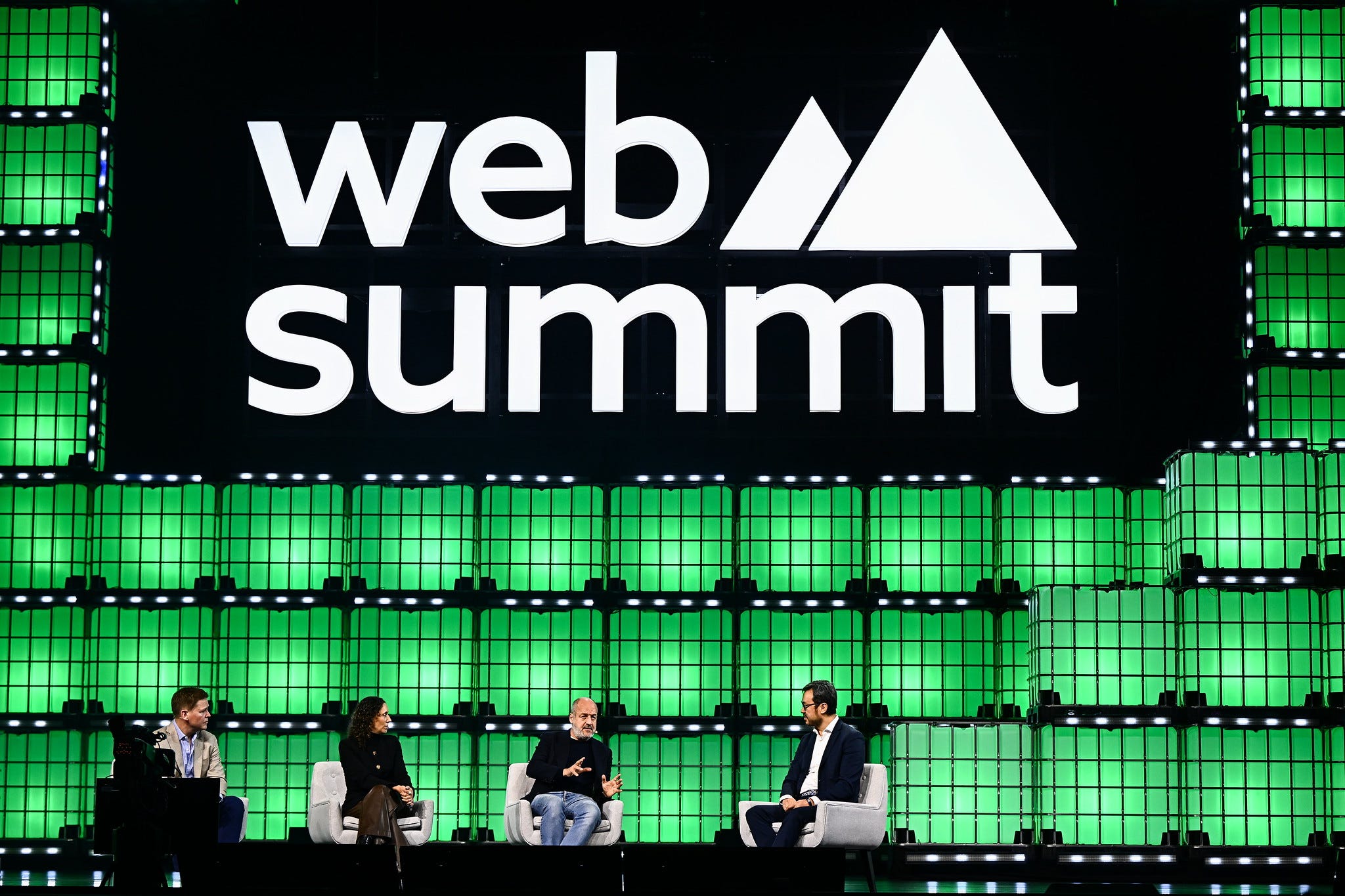
The session title asked whether AI is the news industry’s new editor. At Web Summit’s Centre Stage in Lisbon on Tuesday, the heads of Reuters, the Associated Press and Le Monde spent more of their time talking about AI as a paying customer. Chow Chung-yan, Editor-in-Chief of the South China Morning Post, chaired the panel and kept asking who pays for reporting once a machine does the reading. Their answers were confident and came from a position of unusual bargaining power, as the most bullish speaker admitted himself.
AI agents are a new class of subscriber
Chow put it to the two agencies that AI is disturbing their oldest relationship. Reuters and AP have always sold to newsrooms; AI systems now read the wire and answer the public directly. Paul Bascobert, President of Reuters, saw two openings. For newsroom clients, Reuters launched an MCP server in July, a standard connection that lets an editor’s AI agent search a daily output of 5,000 stories, thousands of photographs, and hours of video. The larger prize is corporate clients outside the media. A carmaker’s logistics agent deciding whether a vehicle travels by ship or by road needs a real-time read on geopolitical risk and commodity prices from a source it can trust. “We can read as humans, but machines can extract a lot of our function,” he said.
Julie Pace, AP’s Executive Editor, was more measured. Agencies have never had one kind of customer; newspapers, broadcasters and radio stations each wanted something different, and agents now join that list. “This is not an either-or choice,” she said.
Le Monde treats ChatGPT as a free sample
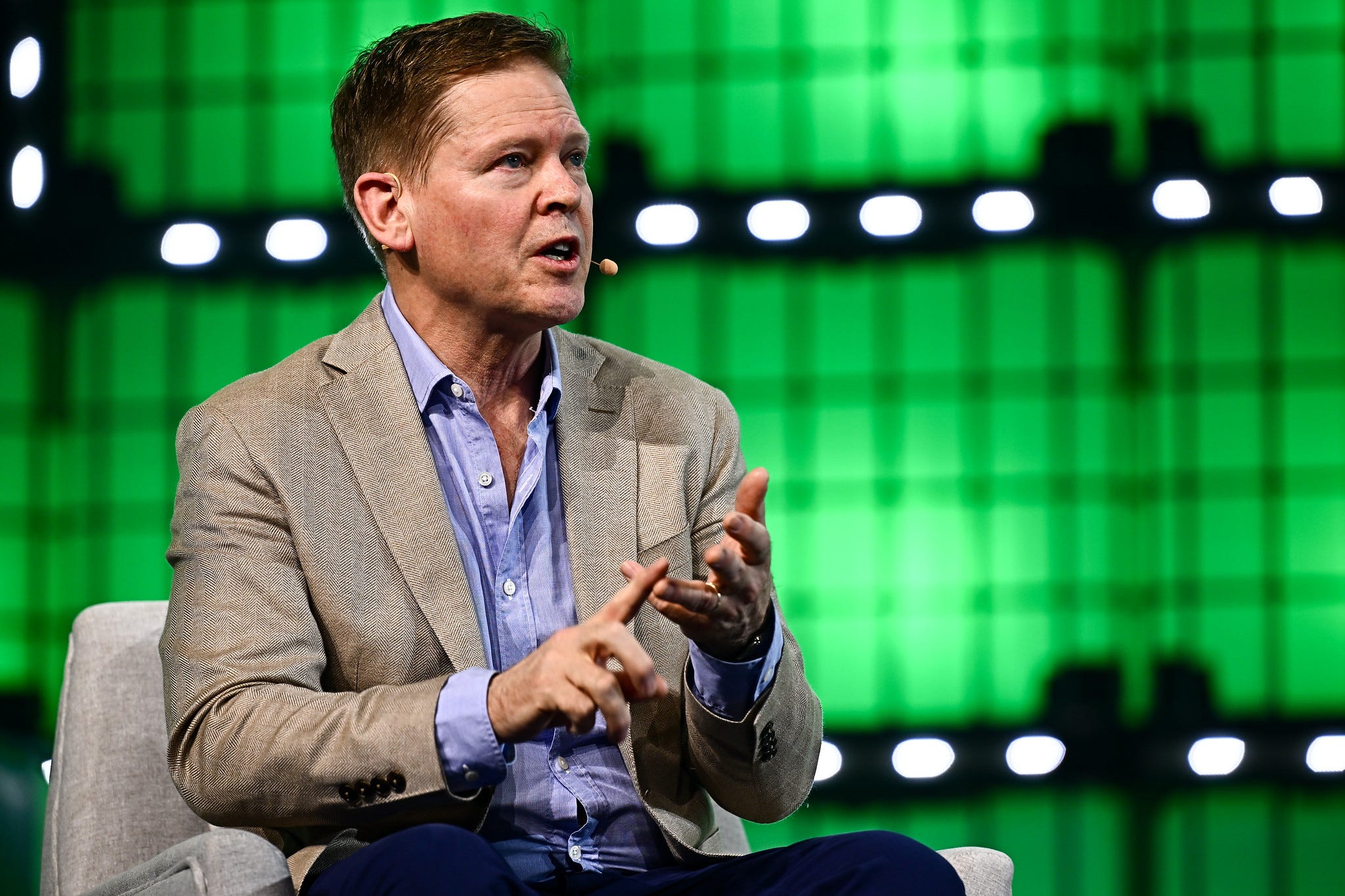
Chow’s harder question went to Louis Dreyfus, Chief Executive of Le Monde. What happens to a newspaper built on long-form analysis when an agent boils it down to 100 words? Dreyfus regards the summary as distribution. Readers who arrive from ChatGPT, where Le Monde is cited and linked under its 2024 agreement with OpenAI, convert to subscription at 13 times the rate of those from Google search, 26 times the rate from Facebook and 260 times the rate from Google Discover, he said. “It’s working like a teaser for us.”
He was as blunt about the harm AI is supposed to be doing. Le Monde’s subscriber base is still growing, and he puts the fall in its overall traffic down mainly to changes in Discover’s algorithm. “AI is often an easy scapegoat for the publishers,” he said. The licensing deals run for several years and the income is, in his word, significant, at a time when advertising is difficult. A quarter of it goes to the newsroom, so individual journalists take a share.

Chow pressed on younger readers, citing two-minute micro-dramas as a sign of shrinking attention. Dreyfus accepted the trend and traced it to social networks, which got there before the chatbots. Publishers must be present where that generation spends its time, he said, and then work over months or years to bring it back to their own products. Pace turned the question on newsrooms. “Who am I producing it for? For my newsroom or for the actual audience?” Bascobert offered himself as evidence. “I’m part of the problem. I don’t have the attention span to get through most articles.”
The editor’s chair stays occupied
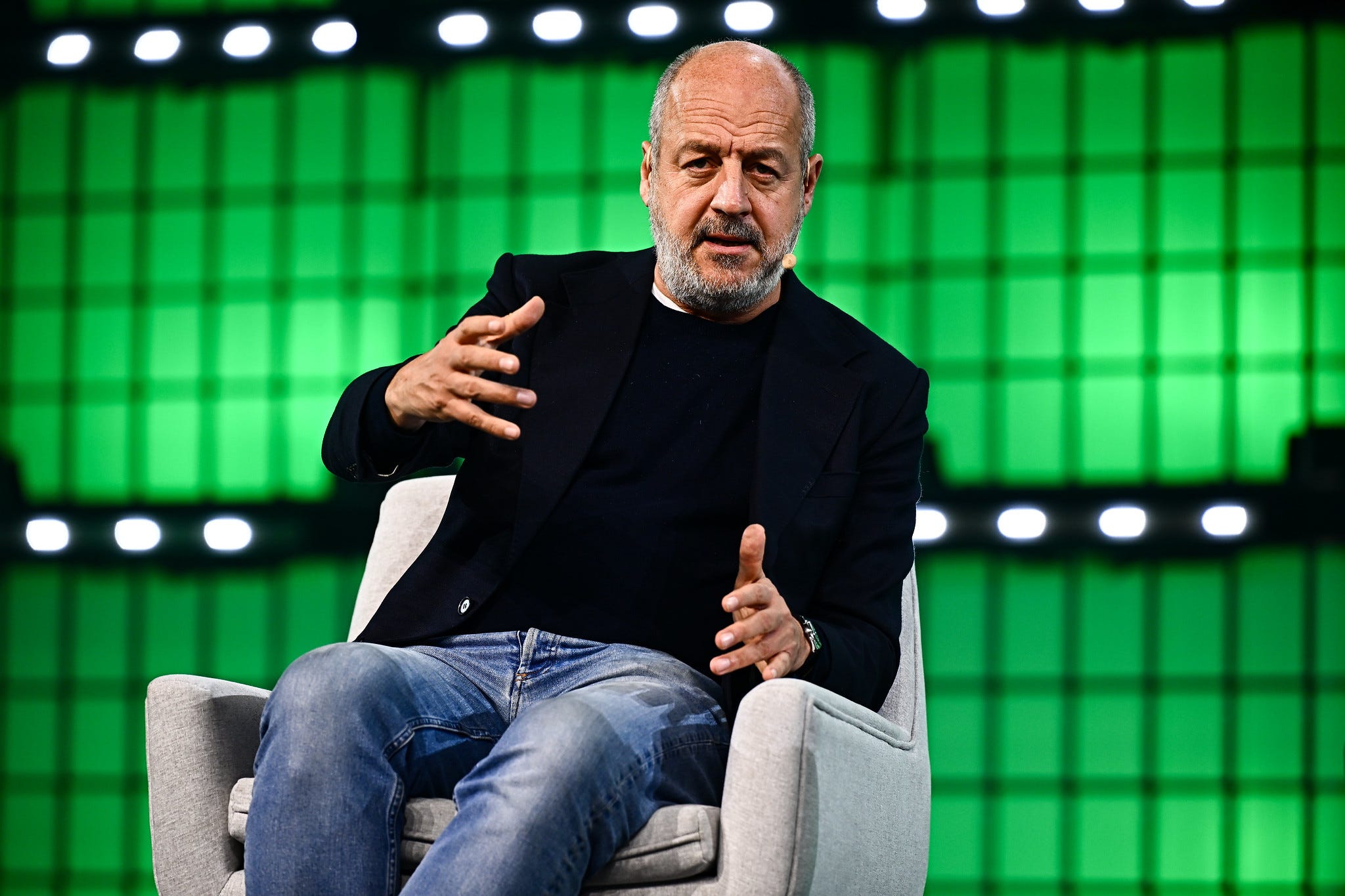
On the title question, whether AI is the new editor, all three said no. Dreyfus said Le Monde takes 75% of its revenue from readers and won't risk that relationship by having AI write its journalism, even where that is technically possible. He pointed to this autumn’s controversy in France over a bestselling novel dropped from the Prix Goncourt longlist amid claims that it was machine-written, which its author denies. Any quality newspaper caught doing the same, he said, runs that risk with its readers.
Chow then asked whether the panel would let an agent take a frontline reporter’s raw material, check it and build the story, if editing desks were thinned to pay for more people in the field. “I’m fine with it editing. I am not fine with it being the editor,” Bascobert said. No Reuters story is published without a name on it, and the person named answers for the content whatever tools were used. “There’s an issue, a problem, you own it.” Pace described the part of the job that never appears in a workflow diagram: the editor who notices that a correspondent is in a difficult posting and needs a break, or more resources. Those functions, she said, are irreplaceable.
The biggest winner wants a regulator
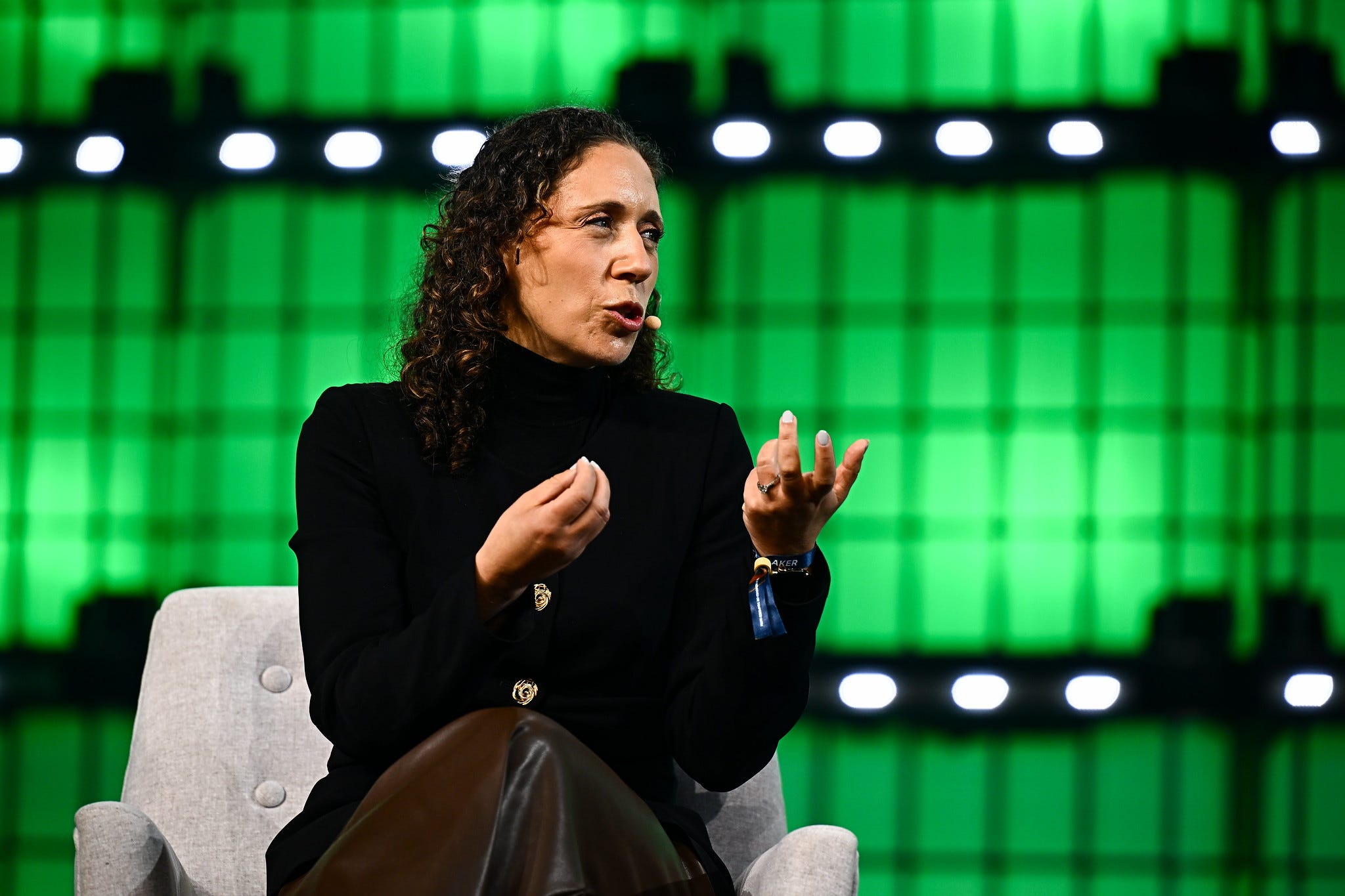
Hundreds of newsrooms are closing, Chow said in his final question; can a small publisher copy any of this? Dreyfus had already asked whether it is healthy that only one or two publishers in each market get a licensing deal. Each AI company has a licensing team of two or three people for the whole world, he said, so it signs the biggest names and stops. He wants the European Commission to force AI companies, including Europe’s own, to sign with every publisher and negotiate with small publishers as a group. He called France’s own rules weak. “It doesn’t forbid me to sign deals. So I sign deals. But as a French citizen, I need to have a stronger and more diversified media market.”
Pace expects the US courts to settle the matter. The future of licensing “won’t be in our hands”, she said, and AP hopes the courts side with publishers of every size. Bascobert put his faith in the market: AI lowers costs and eases distribution, so young journalists should find a niche and build a business around it.
None of those remedies is close. Dreyfus’s conversion multiples depend on ChatGPT citing and linking to Le Monde, which is what a licence buys. Publishers without one weren't on the stage.