



On 29 October, LIONS, the Informa-owned business behind the Cannes Lions Festival, announced four changes for the 2027 edition, which runs from 21 to 25 June 2027: winning work will be exhibited across the city; the delegate pass will begin turning into a city-wide “passport”; funding for subsidised passes under the Equity, Representation and Accessibility (ERA) programme will rise from €2m to €3m; and a new Global Creative Assembly will honour pioneers from film, music, sport, fashion and the creator economy alongside advertising.
The release calls it the beginning of a longer-term evolution. It is also a belated acknowledgement that the festival’s value spans the whole city.
The festival outgrew the Palais some time ago
Cannes Lions expected around 15,000 delegates from 90 countries in 2026. Passes are expensive: Ad Age has put the range at €4,295 to €10,945. Yet the delegate count has long understated the crowd. The Croisette fills each June with some people who never go near the Palais, because the beaches run by Google, Meta, Spotify and the holding companies, the yachts in the old port and the villas in the hills are where budgets get discussed as well as in the Palais.
This has left LIONS with a brand attached to a parallel economy of events it neither programmes nor curates, and delegates navigating hundreds of unofficial sessions on their own. The fringe is fluid, too: in 2026 WPP gave up its beach, and Pinterest took the space. If the largest holding companies can come and go at will, a festival that wants to remain the centre of the week has to offer something beyond the ceremonies.
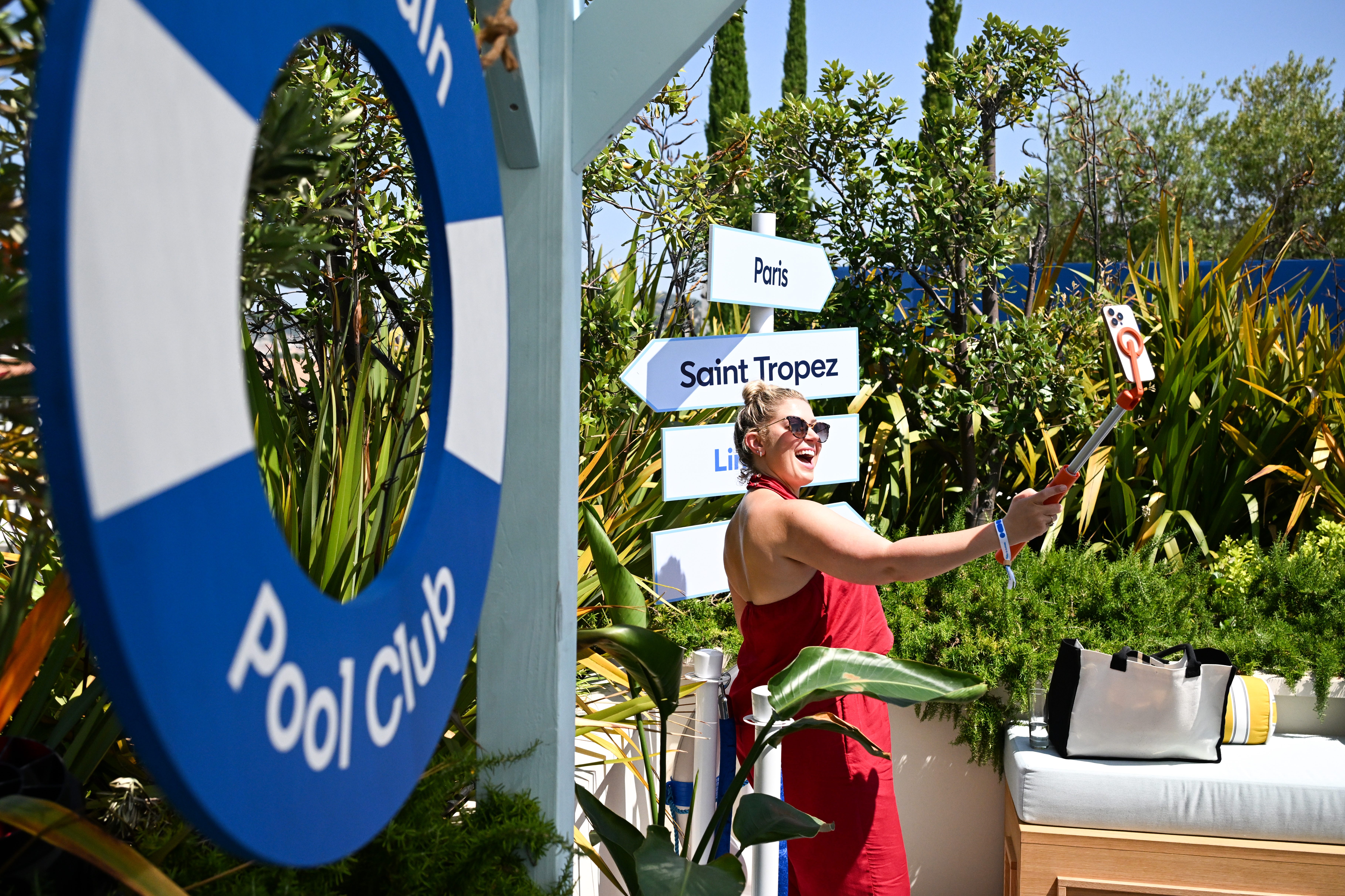
The passport answers a real complaint
The passport is the substantive change. From 2027, the delegate pass will give access to official programming and participating venues beyond the Palais, and a new designation of Flagship and Recommended Experiences will tell delegates which of the hundreds of beach sessions, breakfasts and panels the festival approves of. The stated end point is a single credential covering the whole city.
Thea Skelton, SVP of LIONS Festivals, frames it as navigation: “helping people spend less time working out where to go, what to experience and who to meet.” Anyone who has spent a June on the Croisette with three overlapping invitations and no idea which is worth the walk will recognise the problem, and a credential that gets a delegate past the rope at a beach session is an upgrade on a €4,295 pass that stopped at the Palais doors. Several questions are open: whether a beach owner pays to be Flagship, what a Recommended badge involves, and what a venue agrees to in return for admitting passport holders.
Get those terms right and the best of the week opens to everyone who has paid to be there, instead of whoever knows the right people.

Putting the work where people can see it
Taking shortlisted and winning work out of the Palais and onto the Croisette and the beaches is the least contentious of the four moves and arguably the most overdue. The Lions are the product, and for most of the festival’s history they have been visible only to those who bought a pass. Putting them in front of the thousands in town who never enter the Palais gives the awards a public audience for the first time. It also serves the entry-fee line: a festival that wants agencies and brands to keep entering has every reason to show them what winning looks like.
The Global Creative Assembly serves a different purpose. A Laureate Lion for figures from film, music, sport, fashion, technology and the creator economy extends the festival’s definition of creativity well beyond advertising, at a moment when advertising itself is consolidating and could use the company. It also guarantees a keynote draw each June that no agency can supply, and gives musicians, athletes and filmmakers a reason to treat Cannes as a stop on the circuit.
The ERA increase, from €2m to €3m in the programme’s fourth year, is a 50% rise in a budget line most event businesses would quietly freeze. At current prices, €3m buys between 275 and 700 passes, a modest share of a 15,000-delegate room, but still several hundred people who otherwise would not be able to attend.
Simon Cook, LIONS’ Chief Executive, closes the release with the line that “creativity is one of the world’s most powerful sources of competitive advantage.” Nobody in Cannes will argue. This time the festival has done something about it: a pass that works across the city, winning work on show to the public, and a few hundred more people in town who could not otherwise have afforded the trip.