



Five documentaries went out under The News Movement’s name at the end of October, and the company commissioned none of them.
A journalist observing two vigilante predator hunters. A reporter who took an AI girlfriend and met Americans living with AI companions. A hobby-horsing competition. London’s men’s health clinics and what they sell. Ukrainians in New York sourcing drones and sending them home. All five existed before The News Movement (TNM) saw them, most on YouTube. The company bought the social video rights, cut them for TikTok and Instagram, and paid the makers up front.
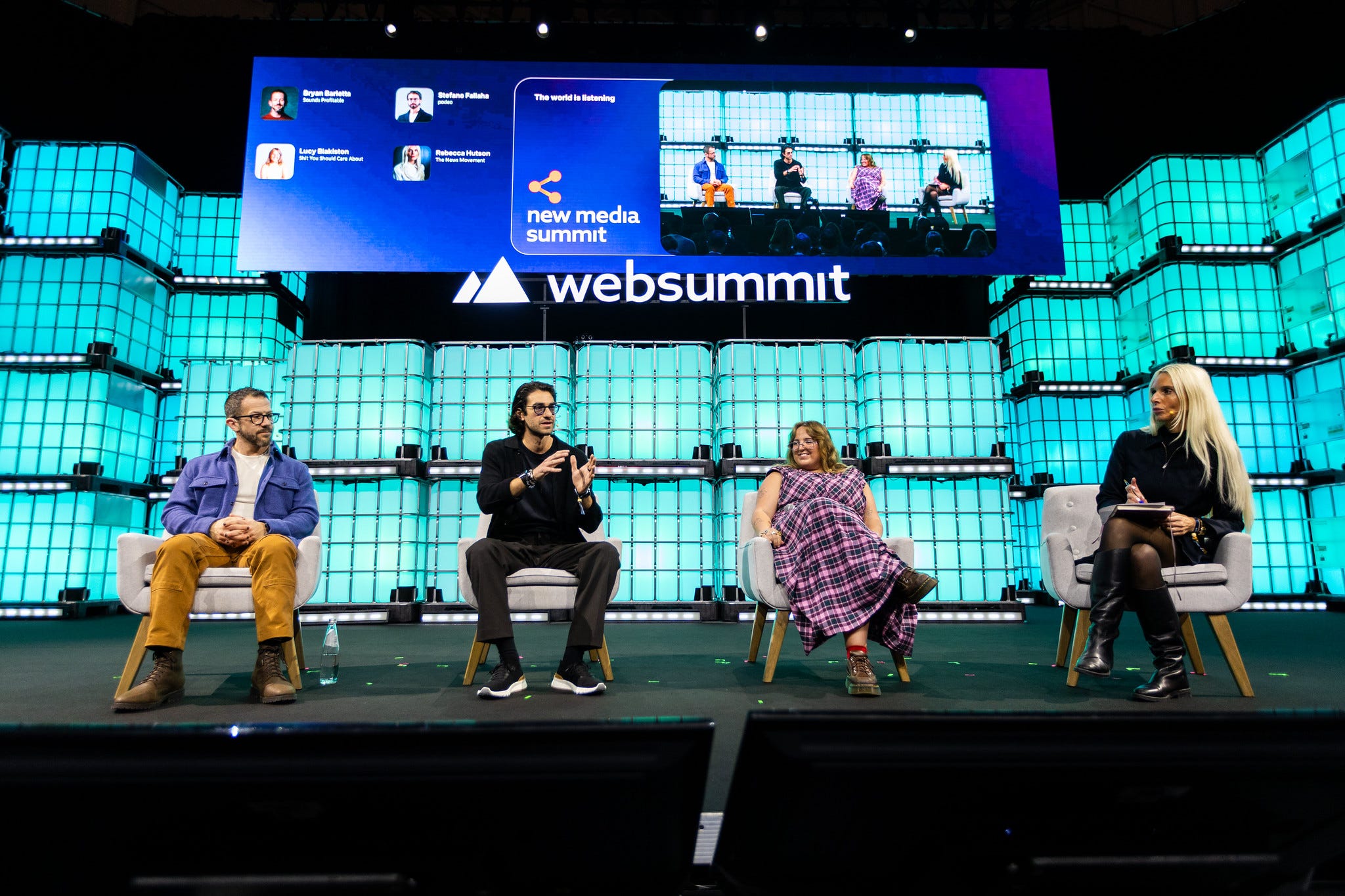
That is TNM Network, and Rebecca Hutson, The News Movement’s Editor-in-Chief, calls it “subverting the way the old traditional commissioning model works.” The films, she says, “are all pieces of work that already exist that we then work with these individuals on, rather than us saying, ‘Oh, we want a piece on Ukraine, we want a piece on AI.’” The journalist brings the expertise and the finished film; TNM brings the distribution.
Hutson arrived from within established news organisations: she ran video at Mail Online during the industry’s first pivot to video, multimedia at the Express, and digital at GB News from its launch. She describes the thread as “how we evolve the telling of news.” The News Movement’s newsroom, 15 journalists across London and New York, already takes its cues from its audience: the comments under a story often decide the follow-up, and creators with standing in a community are commissioned for stories TNM’s own journalists could not credibly tell. The network extends that habit to whole documentaries.

The pitch to creators is the institution they were supposed to replace
Why would a YouTuber with an audience need a news brand? Hutson’s answer leans on the masthead: the authority of an established news brand.
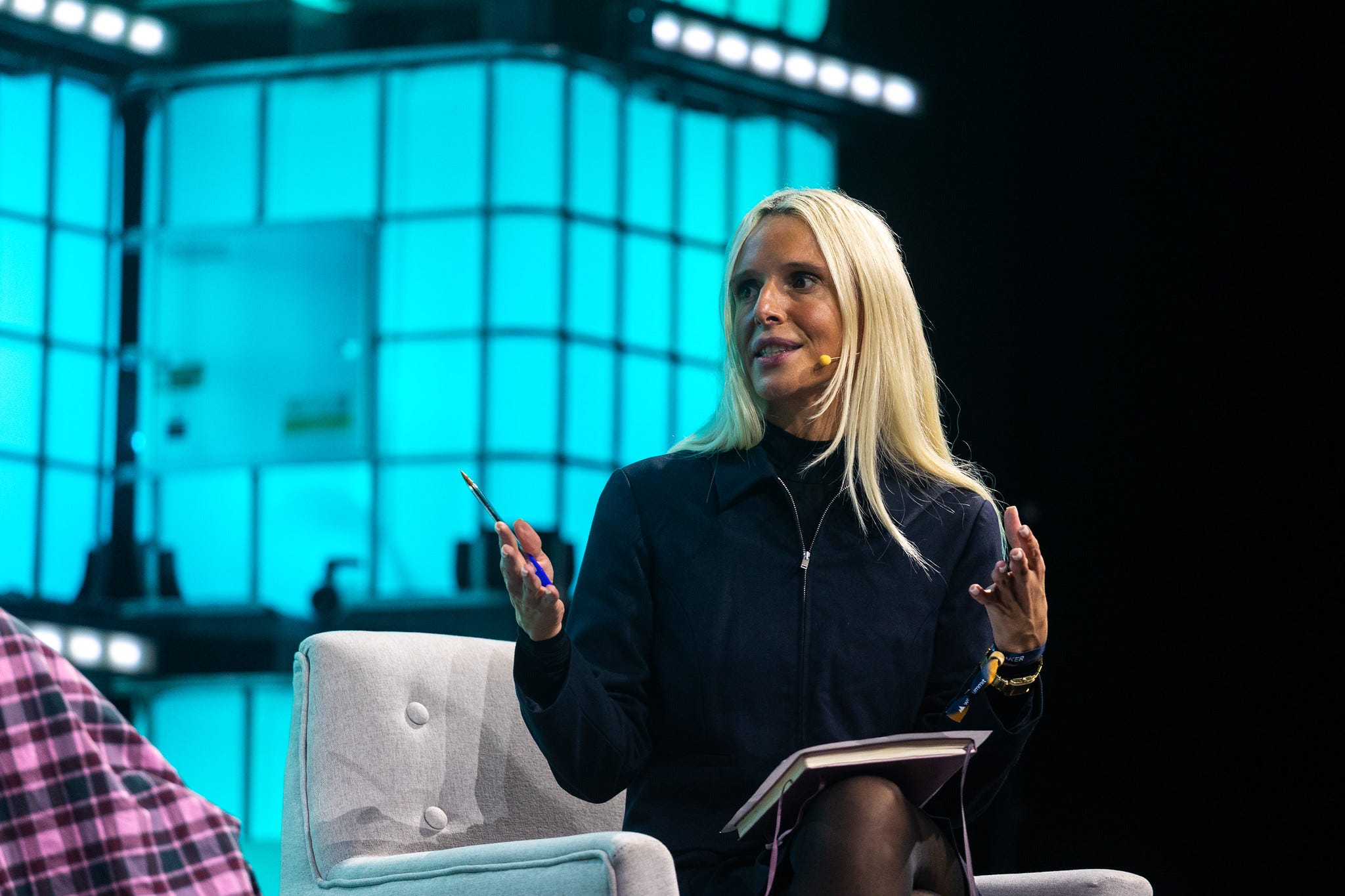
“There is something important about aligning with masthead brands that are arbiters of truth and that are recognised as organisations with high levels of editorial scrutiny, in a way that sometimes creators are criticised for because they haven’t necessarily come up through the traditional ranks. So, we can provide that stamp of authority and veracity to people’s reporting.”
Rebecca Hutson, Editor-in-Chief, The News Movement’s
After that come distribution and the craft of cutting for short-form. In return, TNM gets to publish in “cultures and areas and beats that we don’t have expertise or reach in ourselves.”
The commercial case rests on reach. Hutson says The News Movement reaches two-thirds of 18- to 35-year-olds in Britain and half in America, and that the audience responds to original investigative work. Licensing films that creators have already paid to make is cheaper than hiring a bigger newsroom.
Creators keep the rights. TNM carries the risk
The first round ran on upfront licensing fees for social vertical-video rights. The creators keep the IP and can take the films to festivals or other buyers. Hutson wants retainers next, for creators making several documentaries a year, then co-productions, then buyouts in which TNM owns the IP and the creator holds distribution rights, which she calls “reversing it.” The launch announcement says TNM will begin commissioning original work from creators in the network in 2027. “We believe in paying people for their journalism. This wasn’t just about, ‘We’ll get you exposure and clicks.’”
A company that distributes other people’s reporting becomes its publisher, and under British libel law, that's real exposure. Asked who holds the risk, Hutson is direct: “It’s our risk.” Before fees are discussed, a film goes through TNM’s scripting and research process: double sourcing, contributor care, rights of reply, and in-house standards. “We had submissions in this process that didn’t meet those standards, and we didn’t work with them.” She counts the compliance work as part of the offer; publishing on social platforms carries risks a journalist who came up on YouTube may not have reckoned with.

Two minutes beats 58 seconds
The source films run from eight to 27 minutes. For years TNM took the platforms at their word and squeezed everything into 58 seconds. “We actually see great success with videos that are over two minutes.” Both platforms have lately pushed longer video, and the brief has changed: “How long does it need to be to tell the story well, rather than trying to hit these arbitrary time limits.”
The platforms still want different things. TikTok rewards “scenes of action, scenes of tension, scenes of peril”; Instagram tolerates a slower build. The confrontation in the predator sting ran on TikTok; the story of the young people behind the stings ran on Instagram. Creators approve the edits and thumbnails and stay involved after release: “It doesn’t just finish when you publish it.”

The trust deficit is traditional news’s own doing
Ask Hutson why young audiences trust creators over brands, and she does not blame the audience. “For too long there has been a sort of arrogance with news reporting. There is no fallibility. There is limited transparency. There is an aloofness around how journalism happens.” Then there is who gets to tell it: “Older, university-educated people sitting behind a desk”, and the coverage that follows. Her example is the manosphere, the online world of influencers trading on young men’s grievances. Journalism there has mostly demonised young men and amplified the extremes, which is why the men’s health film was made to a harm-reduction brief: inform its audience rather than condemn it. “We’ve done enough of talking about young men, and we need to now talk to them.” Creators, by contrast, own their errors. “I’ll make a mistake, and I’ll explain it,” is how she characterises them, and to their audiences “they look and sound like you.”
The News Movement’s position is to keep the institutions’ standards and lose their look. “We are very comfortable with our news not really looking like news. The more it can be smuggled into a presentational style that feels very accessible and normal, the better.” She calls the collapse of trust in existing news “a democratic failure.”

The News Movement is itself starting to look like an institution. Caliber, the holding company formed last year, houses The News Movement, The Recount, Capsule, an agency and the SaySo creator-news app. Its majority investor is Forta, a UK fund backed by Qatari money that Press Gazette reported put more than $10m into the business last year; Hutson describes it as “quite hands-off when it comes to the journalism.” Asked whether a maturing brand will face the same scepticism from Gen Alpha that legacy media faces from Gen Z, she outlined a process: watch the audience, “mimic and grow with their habits”, and pivot if the appetite for short video fades. “We don’t try to enforce anything on our audience.”
That leaves the network resting on a tension Hutson has not fully resolved. She sells creators the authority of an established news brand; she blames those same brands for the trust deficit. TNM Network works only if that authority still carries weight with an audience that, by her own account, has already made up its mind about the institutions behind it.