



Russmedia’s AI team sits next to the sports desk. “We hear everything that they’re talking about,” says Lena Leibetseder, the company’s Head of Digital Publishing. “We hear them when they’re complaining about us.” She regards that as the arrangement working.
Russmedia, the family-owned group in Austria’s westernmost province, is, in her words, “a very, very unusual company, also in the Austrian media market.” It publishes the daily Vorarlberger Nachrichten and the website VOL.AT, and runs television and radio stations, an internet provider and its own printing plant. The third and fourth generations of the Russ family run it together. A 2020 study found that nine in ten people in the region touch one of its products every day.
“In the region we’re kind of the main thing,” she says, and that reach is what lets it experiment. Austria’s public broadcaster, ORF, covers national and international news for free on a site for every province. Russmedia’s business is everything beneath that: “the events, the openings, the new restaurants, the restaurants that had to close again.” “I am of the conviction,” she adds, “that local journalism is the future of journalism.”
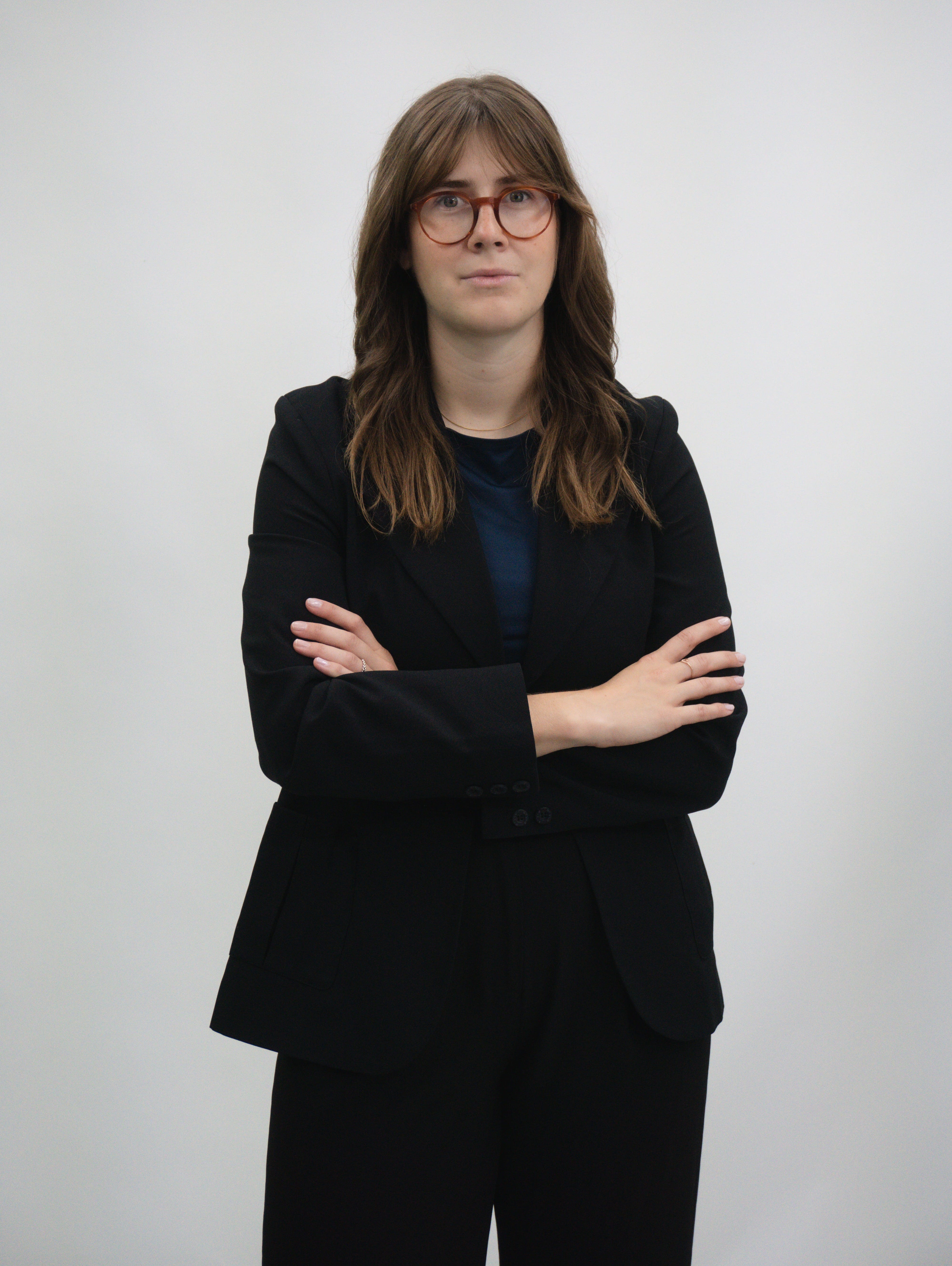
The newsroom only tells you its problems if you sit in it
Leibetseder, 26, arrived from the investigative magazine Profil in 2024, hired by Editor-in-Chief Isabel Russ with a brief of “researching tools, driving innovation, accompanying change”, and found a newsroom already using AI in every meeting. The company’s first attempt at organising that was a five-person “beta team” drawn from across the company: Leibetseder from the newsroom, plus colleagues from marketing, video and development. It sat in another part of the building. Newsroom projects dragged behind the rest, because “there we need to think about more moral aspects and ethical aspects.”


The fix was a second team: the AI Lab, with desks inside the newsroom, beside the sports desk, “working together with the journalists, developing together with them.”
Ask a journalist in a meeting what AI could do for them, and they will hold back, because they fear being replaced. “But when you sit in the newsroom at 5 pm, 6 pm, and there is your colleague, he’s like, ‘Oh my God, I still have to transcribe the interview; it’s going to take me hours, I finally want to go home.’ Then you can be like, ‘Hey, how about we build a solution for that?’ Because it’s not about replacing you. It’s about making your daily to-dos a little easier so that you have more time for actual reporting.”
Building the tool is the easy part
Russmedia mostly builds its own tools, tests them with the people who have the problem, then rolls them out. “But then it’s not done. You can write an email, and you can talk to everybody in the morning meeting, and everybody will forget it. You have to say it ten times, twenty times, thirty times. This is not a sprint; it’s a marathon. There are still people in newsrooms right now struggling to write emails.”
The company’s position, in her telling, is that it cannot afford to write off the colleagues nearest retirement. “It could be an easy solution to say these people are going to enjoy their retirement in ten years and just don’t care about them. We need their knowledge. We need their connections. We need the trust that people give them.” That, she says, is why media leadership is hard right now: “All you’re doing is change management and managing the different speed levels that the staff has.”
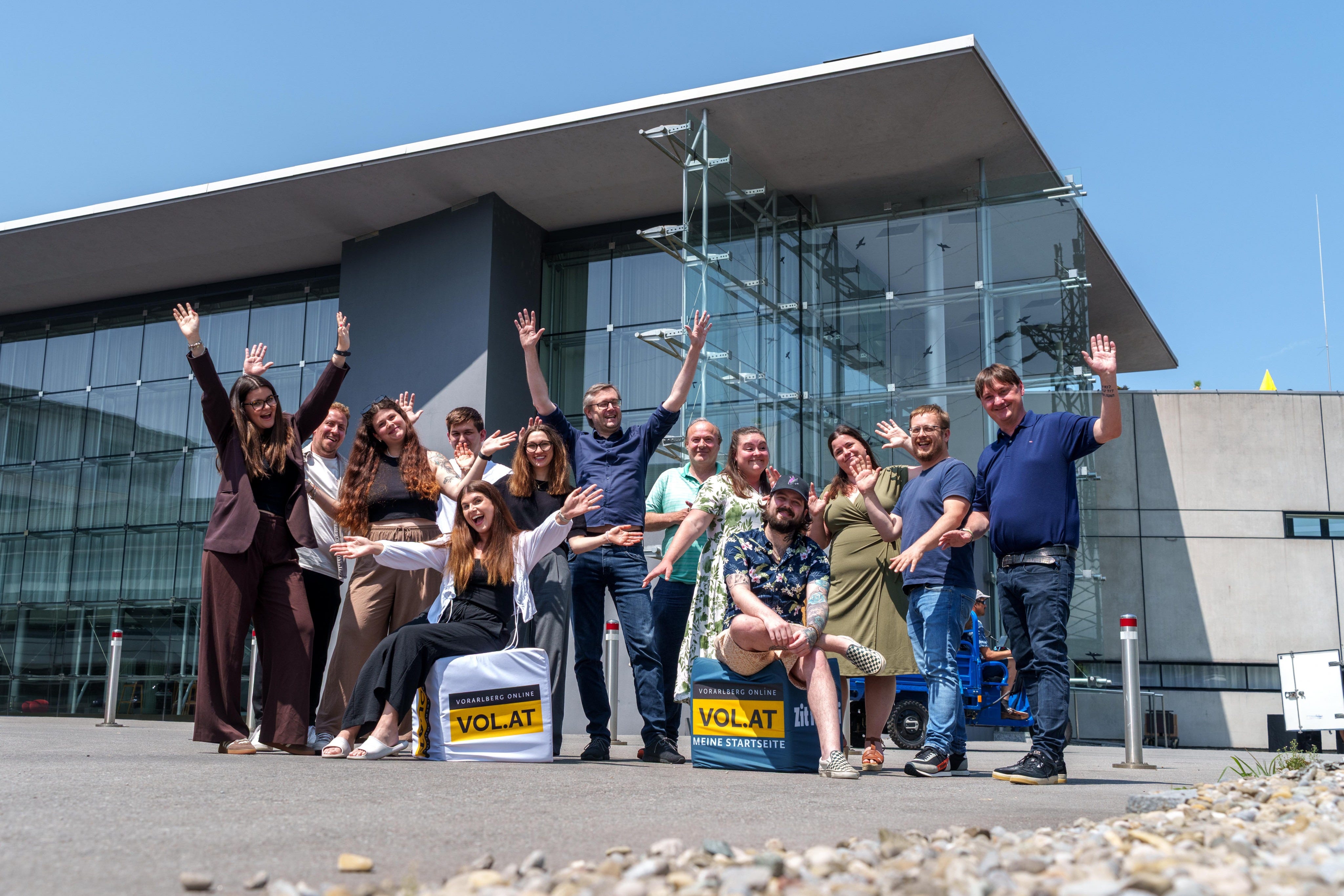
None of the tools makes a phone call
The press-release pipeline exists because of the afternoon panic over empty columns. Page editors used to find a release from a sports club and retype it to fit the space. Now they forward the email to an address that specifies the character count; an automation rewrites it to that length and drops a draft into WordPress. “It’s not original content. You’re not talking to anybody. It’s mostly announcing events.”
Edith, short for editorial bot, lives in Microsoft Teams. It is a language model fenced to Russmedia’s own archive, style guides and guidelines, so it answers from the paper’s material rather than the open web. A reporter can ask what the paper has published in the past three weeks about the wolves returning to the region’s farms, then ask what angle is missing and get a list of whom to call. Once the draft is written, the reporter can send it back, and Edith will point out, say, that nobody called the mayor.
The most time-pressed case is the court reporter, who sits through a day of hearings, takes fragmentary notes, and must publish half an hour after leaving the building. He gives his notes and his structure to the assistant, which drafts the article for him to review. “But of course there is always a human in the loop. Everything AI suggests is checked.” On disclosure, she points to the EU’s AI Act and argues that the human share of the work is dominant here. “But of course it is an ethical question to be discussed, and a question of trust also for the readers.”

Print becomes a luxury good
Print still pays for most of this. Leibetseder thinks print is heading where airport magazines already are: three for the holiday, €70 at the till. The company’s view is more careful. Print subscriptions are falling and digital rising; the presses will run for as long as readers pay, and the task is to prepare for “that place in time where we only have, say, 10,000 subscribers for print but a million subscribers for digital.”
Instagram first, subscriptions later
Her other brief is where the digital side of that sum is supposed to come from. VOL.AT Shots is a feed of short vertical video on the main site, cut from footage shot by the paper’s mobile journalists, who travel by e-scooter to film themselves at the scene. “‘I’m here now, and behind me a car crashed into a cow,’ which actually happened this morning.”
The views come on Instagram, occasionally going viral. Traffic back to the site is “very scarce”, and she does not mind. “We want brand awareness, brand building. We want people to connect with us, trust us, know us, and then when they want more content, come to our site and buy a subscription.”
Nine in ten people, every day, in a province where the main competitor costs the reader nothing. That buys Russmedia time. By her own account, the change is moving too fast for some of the people the paper cannot do without, and the only remedy anyone there has found is to say it again.
