



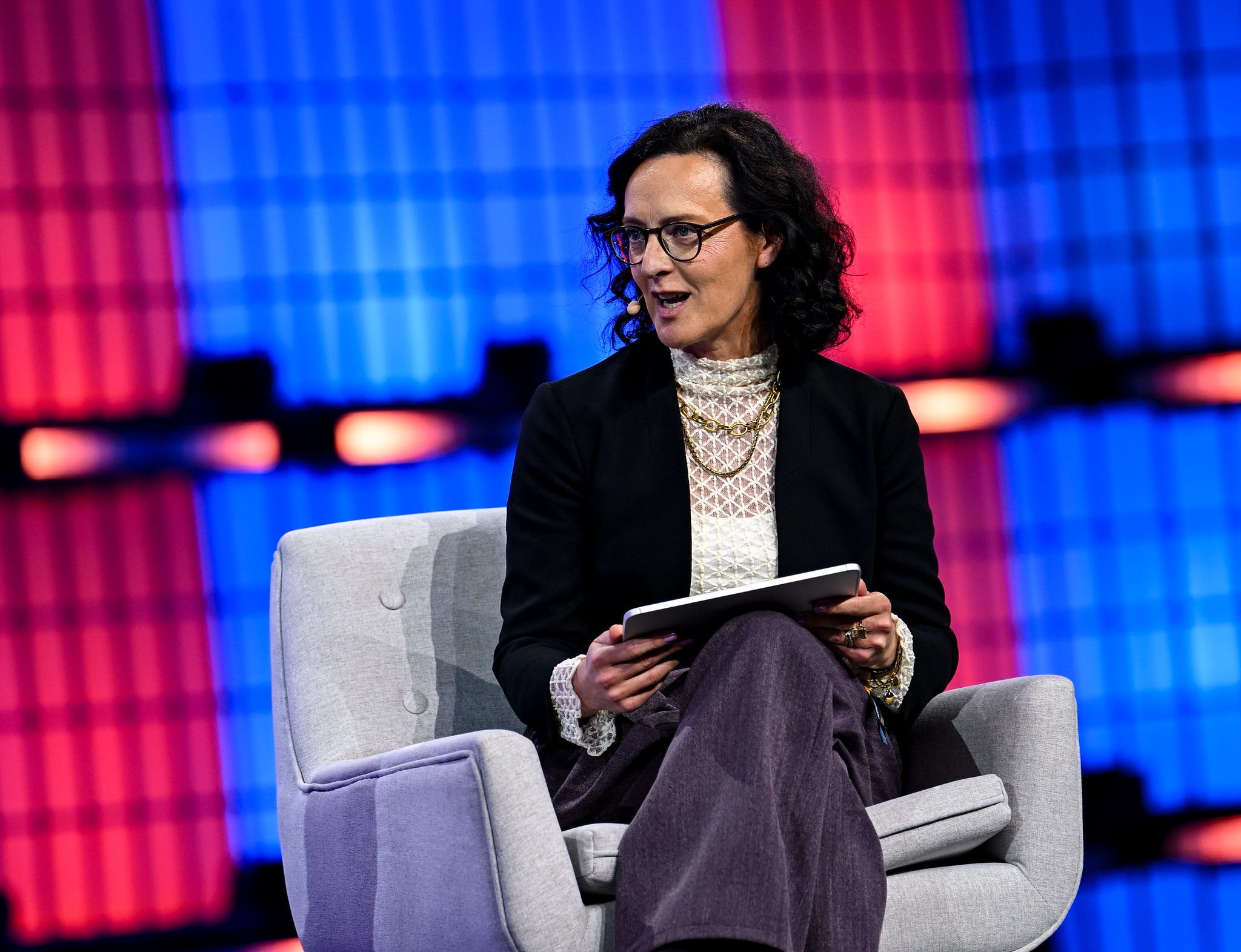
Matt Murray used Web Summit’s Centre Stage on Tuesday to announce that The Washington Post is joining SPUR, the publisher coalition writing shared standards for how AI systems use journalism. Minutes earlier, Murray, the paper’s Executive Editor, had defended its own agreement with OpenAI, signed in April 2025, as evidence that AI companies can pay publishers fairly and send readers back to them. KC Sullivan, President of CNBC, sat beside him with no AI deal to defend. Astrid Maier, Deputy Editor-in-Chief of the German news agency dpa, chaired the panel and asked both what a fair bargain with AI companies looks like.
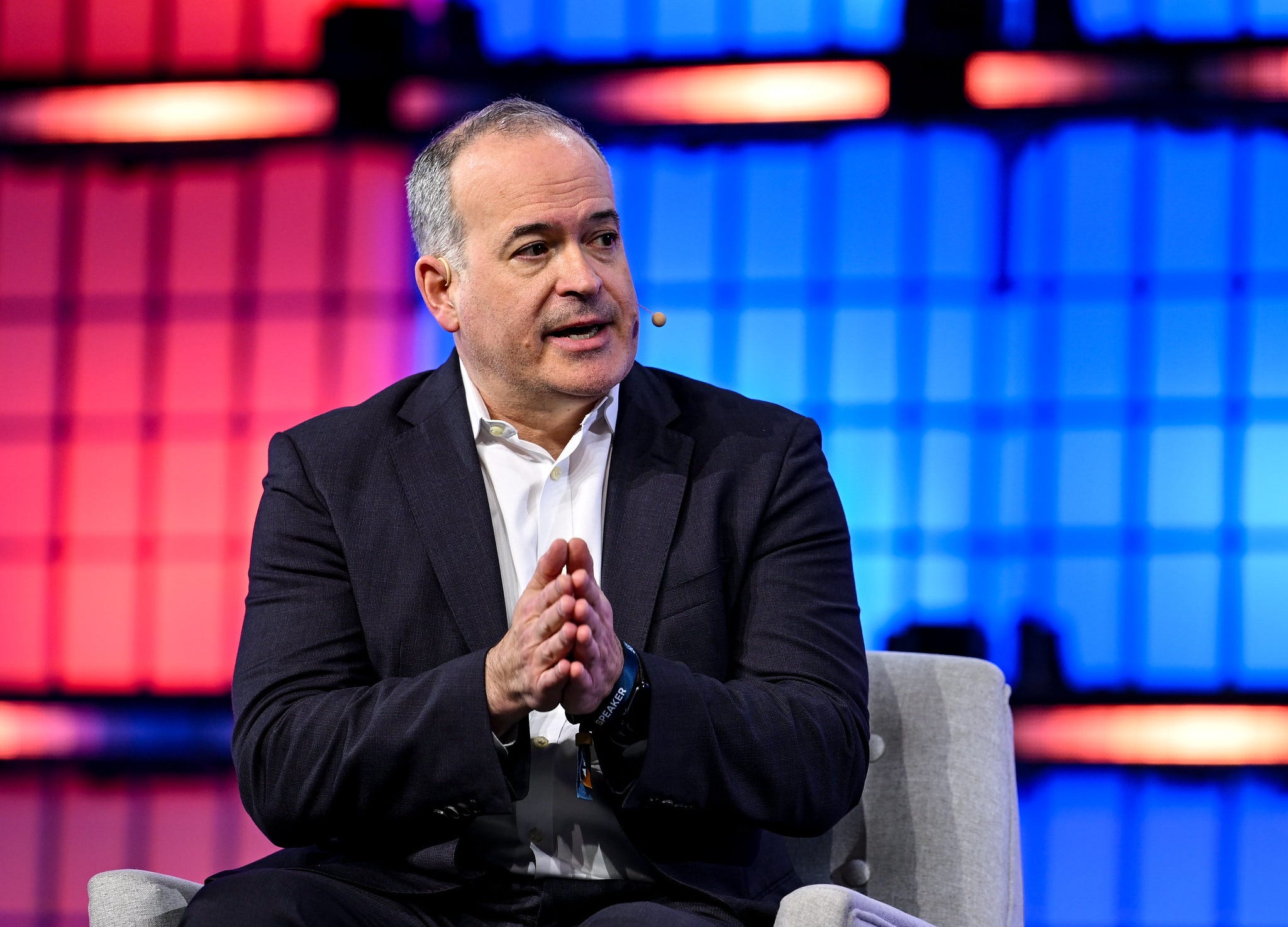
The Washington Post, on Centre Stage during day one of Web Summit 2026 at the MEO Arena in Lisbon, Portugal. Photo by Ramsey Cardy/Web Summit via Sportsfile
One number carries The Washington Post’s case
Maier asked what the OpenAI partnership had taught the paper and where it fell short. Murray’s answer was a number. “95% of the AI referrals we get now come through OpenAI,” he said, and called that a win for both sides. He said there was no tension in the relationship, and he has little patience for the claim that such deals cannot be struck, or that publishers do not deserve payment.
That figure is OpenAI’s share of The Washington Post’s AI referrals; Murray did not say how many visits it represents. It also cuts the other way. A publisher that gets nearly all its AI traffic from the one company it has a contract with gets next to nothing from the assistants it hasn't signed with.
Murray set out three conditions for any deal: first, that the AI company sends readers back to the paper; second, that it acknowledges where the content came from; and third, that it pays properly. Nothing else gets negotiated until all three are agreed, he said. Maier raised a scenario much discussed at Web Summit this week, in which a reader’s AI agent haggles with a publisher’s AI agent over the price of an exclusive interview. Murray called it one possible outcome, provided the same three conditions held, and said the paper would oppose anything that scrapes, cuts down, or regurgitates its work. “I’m not entirely sure yet that AI companies will be the intermediary in all cases,” he added. The Washington Post does not intend to cede its direct relationship with customers or control of its own platform. Apple News is its model: the paper has a good readership there while making only some of its journalism available.
CNBC has goodwill but no contract
Maier asked Sullivan what a sustainable relationship with an AI platform would look like five years out. He described a partnership in which each side recognises what the other brings and said most of the AI companies have approached CNBC wanting to work together and showing respect for its output. Maier pointed out that none of this has produced an agreement. “We don’t have a partnership to date,” Sullivan said, adding that CNBC is pursuing one. She then asked what would make a publisher walk away from a deal. Murray answered; Sullivan, with no deal to walk away from, said nothing.
Both are selling what AI cannot do: live interviews and door-knocking
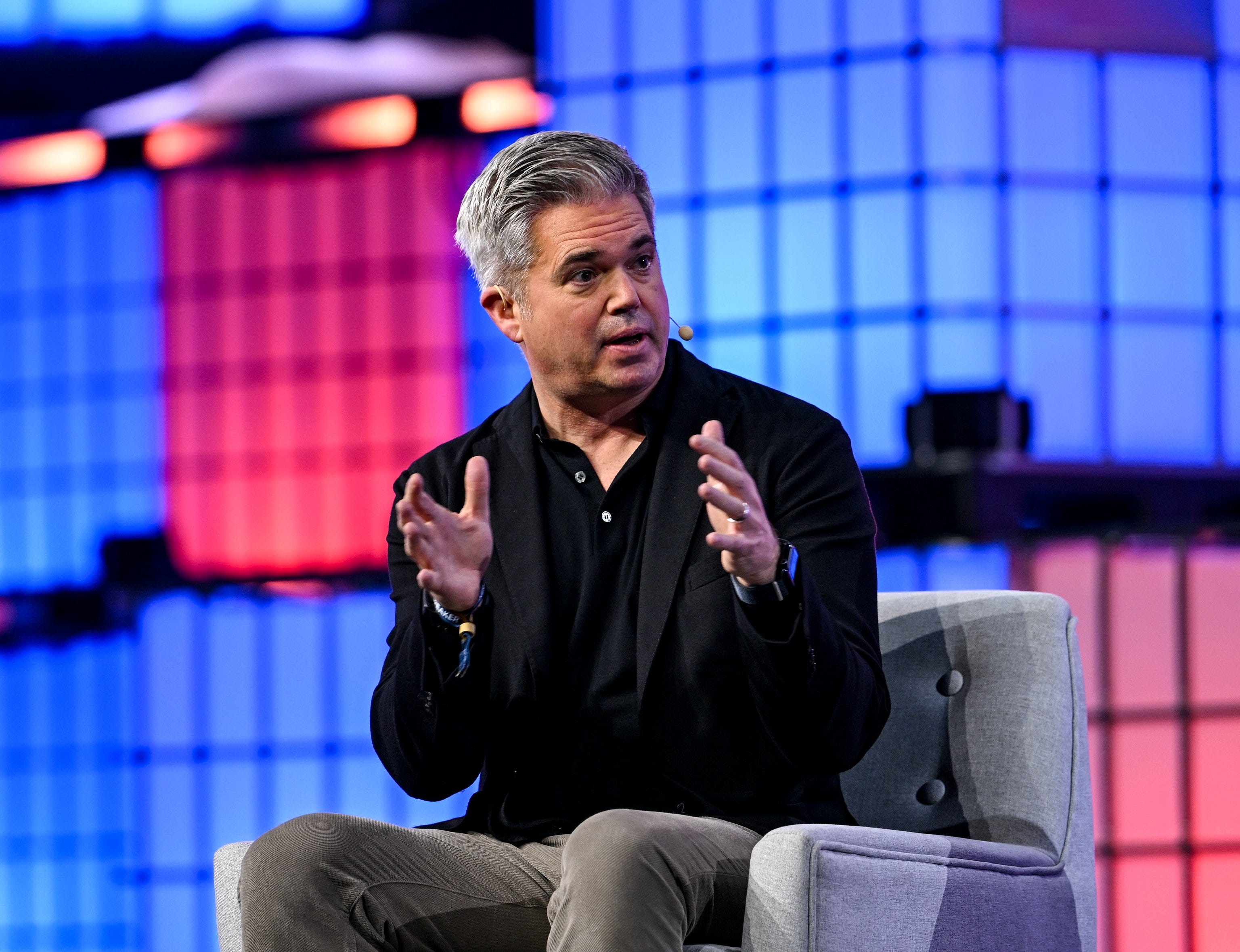
Without a contract, Sullivan’s case rests on what CNBC makes. Its live, exclusive interviews give the audience something other providers cannot, he said. “The fact that we are live is a differentiator.” He called it a moat. Murray made the equivalent claim for reporting. Scoops, exclusives and knocking on doors are things an AI agent will never do, he said, and demand for them may grow as AI spreads. He also thinks publishers hold an advantage in trust: “Despite occasional trust challenges in our business, people trust AI less than us.”
The Washington Post’s newsroom rules are written to protect that trust. Writing and basic reporting are off-limits to AI. Training is mandatory and an ethics policy sets out what is allowed. Murray said most of the newsroom is already experimenting, with a hard core that will have to be dragged along. The paper has built tools that pull data out of public records for its election coverage, and editors run drafts through AI to find where a story needs more information before sending reporters to get it. Readers accept an AI-enhanced product that is clearly labelled, he said. “They do not want AI to replace core journalistic functions.”

Sullivan makes the case for AI to his staff in terms of revenue. Converting video to text feeds personalisation, live transcription and summaries that are easier to read on a phone, and the same work will underpin a direct-to-consumer product CNBC plans to launch in the new year. Asked for one AI investment to prioritise, he named a chatbot built on CNBC’s own content. Murray chose data reporters equipped with bots.
The Washington Post wants publishers to bargain together
Murray made the SPUR announcement while answering Maier’s question about walking away from a deal. He said an industry-wide approach to standards is probably how publishers will secure referrals and payment in the long run, and the paper is joining SPUR. Maier stopped to check that this was new, and he confirmed it. He expects such a framework to be in place within a year or two.
SPUR, the Standards for Publisher Usage Rights coalition, was set up earlier this year by UK publishers including the BBC, the Financial Times and The Guardian. It has grown to more than 80 members, among them the New York Times and the Associated Press, and in October published a technical standard for tracking how AI systems use news content.
“Too many individual engagements with tech companies, rather than a collective understanding, have not helped the industry,” Murray said. The Washington Post’s agreement with OpenAI is one such engagement, and he had praised it earlier in the session. Maier asked how the media gets a seat at the table where standards for AI agents are being set. Sullivan’s answer leaned the other way from Murray’s: industry bodies can help, he said, but most of the legwork falls to each company, which needs the right contacts inside each AI firm.
SPUR can specify how AI use of journalism should be measured, but adoption depends on the AI companies. Nobody on stage said why OpenAI or its rivals would agree. Murray did not say whether the paper’s own deal would be reopened on SPUR’s terms once a framework exists.
